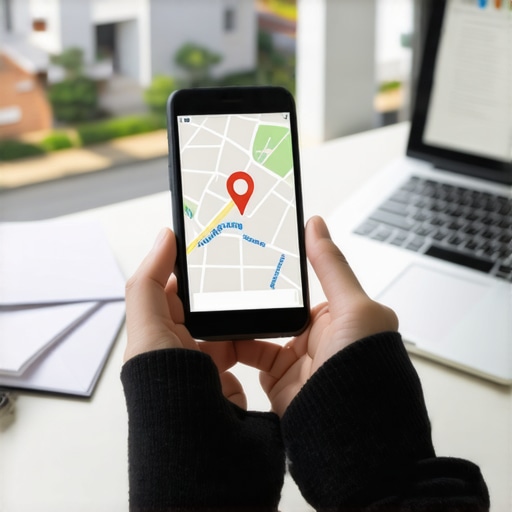
The peppermint candy on my desk is stale. The office smells like old paper and the faint, metallic scent of a radiator that should have been replaced in the nineties. I have spent twenty years watching local businesses try to outsmart a map. I have seen them lose everything because they thought a fancy digital address in a glass skyscraper could replace the grit of a real storefront. They were wrong. The algorithm does not care about your prestige. It cares about the physical truth of your existence. I remember one specific case that still haunts my filing cabinet. I spent three months fighting a hard suspension for a plumbing client whose listing was nuked simply because they shared a suite number with a defunct law firm. Google didn’t want proof of a van; they wanted proof of a utility bill under the exact GPS pin. The pin moved. The trust vanished. The client stopped getting calls. We had to dig through boxes of tax records to find a single document that proved they occupied that specific patch of concrete. It was a war of centimeters.
The truth about virtual offices in current search
Verifying a location without a virtual office requires physical documentation like utility bills and tax filings that prove your business occupies a specific geographic coordinate. Google uses these local trust signals to distinguish between legitimate local merchants and map spam. Relying on tangible evidence is the only way to avoid permanent suspension.
The era of the